




成长记
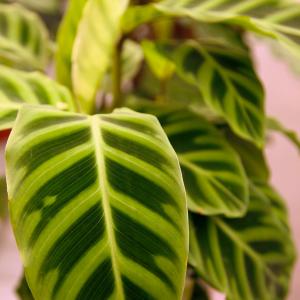
Lobster Plant
2017年09月24日

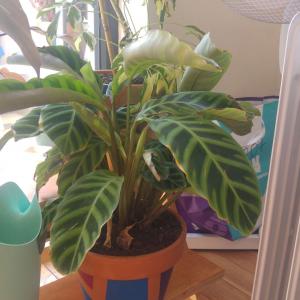
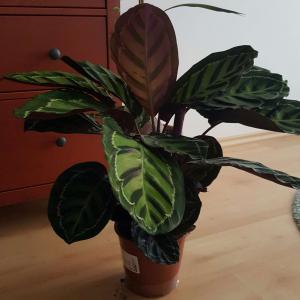
Calathea seems much happier in indirect light.
Pic post fertiliser & insecticide
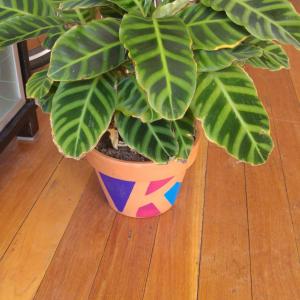
Pic post fertiliser & insecticide
2
0
文章
Colour_
2017年07月26日
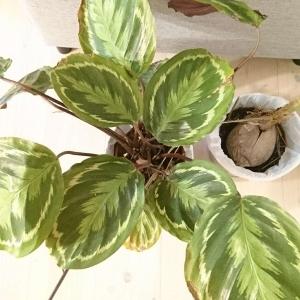
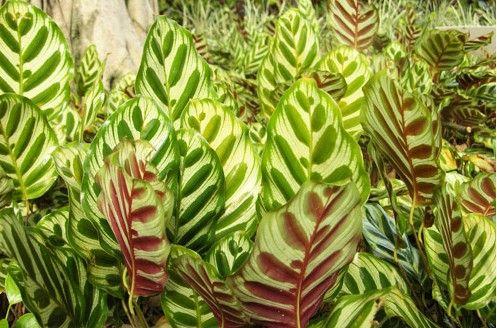
孔雀竹芋(学名:Calathea makoyana E. Morr.):竹芋科,肖竹芋属多年生常绿草本。植株挺拔株高可达60厘米。叶柄紫红色, 叶片薄革质,卵状椭圆形,叶面上有墨绿与白色或淡黄相间的羽状斑纹,就像孔雀尾羽毛上的图案,因而得名。叶片亦有特性:白天舒展,晚间折叠起来。
孔雀竹芋原产于巴西,中国有引种栽培。
孔雀竹芋是竹芋科典型的观叶植物,风姿绰约,独具魅力。
形态特征
孔雀竹芋植株密集丛生挺拔株高20-60厘米。叶柄紫红色, 从根状茎长出,叶片薄革质,卵状椭圆形,长10-20厘米,宽5-10厘米黄绿色,在叶的表面绿色上隐约呈现着一种金属光泽,且明亮艳丽,主脉两侧交互排列,羽状暗绿色长椭形的绒状斑纹,与斑纹相对的叫背面为紫色,左右交互排列。 叶片有 "睡眠运动 , 即在夜间叶片从叶鞘部向上延至叶片,昱抱茎折叠,翌晨阳光照射后重新展。
生长习性
性喜半阴,不耐直射阳光,适应在温暖、湿润的环境中生长。栽培时宜给予一定程度的遮阴,并保持温度在12-29℃左右,冬季温度宜维持在16-18℃,春夏两季生长旺盛,需较高空气湿度,可进行喷雾;对土壤要求不甚严,但要求保持适度湿润,生长季节,约2周施一次肥,而冬季土壤可 稍干和凉爽,并减少施肥次数;繁殖时多采用分根的方法;于初夏季节进行,另外还可采用扦插的方法;主要害虫有粉蚤、红蜘蛛、蚜虫、介壳虫等。

孔雀竹芋叶片萎缩的原因
一般孔雀竹芋发生叶片萎缩,是因为温度和湿度不恰当导致的。孔雀竹芋喜欢高温和高湿的生长环境,在养护的时候,如果温度过低,就会使其出现卷曲;其次的就是湿度不够,孔雀竹芋本身是喜欢湿润的,盆土和空气都该保持在较高的湿度上。但是在浇水较少的时候,水分不足不能满足孔雀竹芋的生长需求,势必会使其出现叶片萎缩的现象;另外,盆内积水也是一个原因,孔雀竹芋喜湿,但是盆内积水的话,会导致其烂根,叶子卷曲并且发黄。
孔雀竹芋叶片萎缩怎么处理
在孔雀竹芋出现叶片萎缩的情况下,首先需要保证温度和湿度的合理。温度要保持在18℃以上,日常需要做好水肥管理,注意盆内不要有积水。此外,除了下雨的时候,还可以向植株喷水,来提高空气的湿度。如果孔雀竹芋的萎缩现象比较严重的话,可以用塑料袋将植株罩起来,用绳子扎紧,可以稍微留一些缝隙,这样可以保湿,便于叶片的恢复。
孔雀竹芋原产于巴西,中国有引种栽培。
孔雀竹芋是竹芋科典型的观叶植物,风姿绰约,独具魅力。
形态特征
孔雀竹芋植株密集丛生挺拔株高20-60厘米。叶柄紫红色, 从根状茎长出,叶片薄革质,卵状椭圆形,长10-20厘米,宽5-10厘米黄绿色,在叶的表面绿色上隐约呈现着一种金属光泽,且明亮艳丽,主脉两侧交互排列,羽状暗绿色长椭形的绒状斑纹,与斑纹相对的叫背面为紫色,左右交互排列。 叶片有 "睡眠运动 , 即在夜间叶片从叶鞘部向上延至叶片,昱抱茎折叠,翌晨阳光照射后重新展。
生长习性
性喜半阴,不耐直射阳光,适应在温暖、湿润的环境中生长。栽培时宜给予一定程度的遮阴,并保持温度在12-29℃左右,冬季温度宜维持在16-18℃,春夏两季生长旺盛,需较高空气湿度,可进行喷雾;对土壤要求不甚严,但要求保持适度湿润,生长季节,约2周施一次肥,而冬季土壤可 稍干和凉爽,并减少施肥次数;繁殖时多采用分根的方法;于初夏季节进行,另外还可采用扦插的方法;主要害虫有粉蚤、红蜘蛛、蚜虫、介壳虫等。
孔雀竹芋叶片萎缩的原因
一般孔雀竹芋发生叶片萎缩,是因为温度和湿度不恰当导致的。孔雀竹芋喜欢高温和高湿的生长环境,在养护的时候,如果温度过低,就会使其出现卷曲;其次的就是湿度不够,孔雀竹芋本身是喜欢湿润的,盆土和空气都该保持在较高的湿度上。但是在浇水较少的时候,水分不足不能满足孔雀竹芋的生长需求,势必会使其出现叶片萎缩的现象;另外,盆内积水也是一个原因,孔雀竹芋喜湿,但是盆内积水的话,会导致其烂根,叶子卷曲并且发黄。
孔雀竹芋叶片萎缩怎么处理
在孔雀竹芋出现叶片萎缩的情况下,首先需要保证温度和湿度的合理。温度要保持在18℃以上,日常需要做好水肥管理,注意盆内不要有积水。此外,除了下雨的时候,还可以向植株喷水,来提高空气的湿度。如果孔雀竹芋的萎缩现象比较严重的话,可以用塑料袋将植株罩起来,用绳子扎紧,可以稍微留一些缝隙,这样可以保湿,便于叶片的恢复。
0
0
成长记
GingerJenny513
2017年06月14日
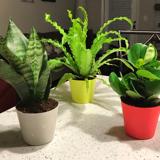
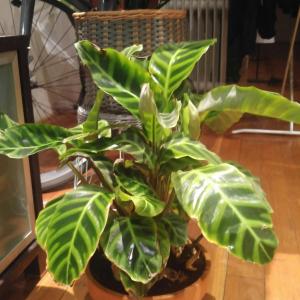
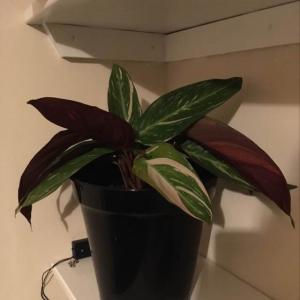
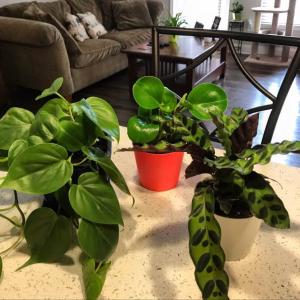
I new added a "Calathea; Rattlesnake Plant; Prayer Plant" in my "garden"

0
0


文章
Erin
2016年12月09日
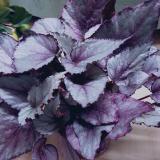
Calathea Plants, native to tropical South and Central America, Africa, and the West Indies, are grown primarily for their beautiful, brightly colored, upright, oval leaves. There are over 300 different types of Calathea Plants, many being man-made hybrids created by tissue cultures. The various Calathea varieties have leaves with a purple undersides and various vibrant colorful patterns on the top side. Indoors, a Calathea is a table plant or short bush that rarely gets bigger than 24” tall and 24”-26” wide. A Calathea Plant, with its exotic foliage, is difficult to care for, but like many other fussy plants, well worth the effort.<img src="1000055465_24273_1481263898.jpg">LIGHT
A Calathea Plant likes bright indirect light; so placing it in front of an east, west, or north window is ideal. Too much direct sun burns the leaves of a Calathea Plant and causes the beautiful leaf colors to fade.
WATER
Calathea Plants are very sensitive to the water you use. Hard water, soft water, fluoridated water, or water of poor quality causes the leaves of a Calathea Plant to turn brown from leaf burn. The best way to water a Calathea Plant is to use distilled water, rain water, or allow your tap water to sit out over night before using it. Keep the soil of a Calathea Plant moist but never soggy. Allow the top 2-3” to dry out before watering. Never let a Calathea Plant sit in water.
FERTILIZER
Feed a Calathea Plant monthly in the spring, summer, and fall with a basic houseplant food at ½ the recommended strength. Don't fertilize a Calathea Plant if it is not growing.
TEMPERATURE
Calathea Plants like temperatures between 65-80 degrees, and do not like cold drafts or temperatures below 55-60 degrees. Hot temperatures cause the leaves of a Calathea Plant to curl.
HUMIDITY
High humidity is a must for a Calathea Plant. A Calathea Plant gets brown leaf edges when the air is too dry. Humidity can be increased by placing your Calathea Plant on a tray of wet pebbles (be sure the pot is on the pebbles and not in the water), setting a humidifier close by, or by grouping plants together to create a greenhouse effect.FLOWERINGThe leaves of a Calathea Plant are more beautiful than many of the flowers on other indoor plants. With over 300 types of Calathea Plants, some varieties, such as Calathea Crocata, White Ice, and Brazilian have lovely flowers as well as spectacular leaves.<img src="1000055466_24273_1481263898.jpg">PESTS
spider mites, scale, Mealy Bugs and Aphids are houseplant pests that can be a problem for Calathea Plants.
DISEASES
The high humidity that a Calathea Plant needs, encourages bacterial and fungal diseases which usually manifest themselves as leaf lesions.SOILUse a good light porous indoor potting soil that retains water but still drains quickly for Calathea Plants. African Violet soil works well for Calatheas.
POT SIZE
A Calathea Plant rarely need repotting.
PRUNING
Cut off brown or crispy Calathea leaves as soon as they appear.
PROPAGATION
Calatheas Plants are propagated by plant division but it is a little difficult.
POISONOUS PLANT INFO
Calatheas are non- Poisonous Houseplants.<img src="1000055467_24273_1481263899.jpg">
A Calathea Plant likes bright indirect light; so placing it in front of an east, west, or north window is ideal. Too much direct sun burns the leaves of a Calathea Plant and causes the beautiful leaf colors to fade.
WATER
Calathea Plants are very sensitive to the water you use. Hard water, soft water, fluoridated water, or water of poor quality causes the leaves of a Calathea Plant to turn brown from leaf burn. The best way to water a Calathea Plant is to use distilled water, rain water, or allow your tap water to sit out over night before using it. Keep the soil of a Calathea Plant moist but never soggy. Allow the top 2-3” to dry out before watering. Never let a Calathea Plant sit in water.
FERTILIZER
Feed a Calathea Plant monthly in the spring, summer, and fall with a basic houseplant food at ½ the recommended strength. Don't fertilize a Calathea Plant if it is not growing.
TEMPERATURE
Calathea Plants like temperatures between 65-80 degrees, and do not like cold drafts or temperatures below 55-60 degrees. Hot temperatures cause the leaves of a Calathea Plant to curl.
HUMIDITY
High humidity is a must for a Calathea Plant. A Calathea Plant gets brown leaf edges when the air is too dry. Humidity can be increased by placing your Calathea Plant on a tray of wet pebbles (be sure the pot is on the pebbles and not in the water), setting a humidifier close by, or by grouping plants together to create a greenhouse effect.FLOWERINGThe leaves of a Calathea Plant are more beautiful than many of the flowers on other indoor plants. With over 300 types of Calathea Plants, some varieties, such as Calathea Crocata, White Ice, and Brazilian have lovely flowers as well as spectacular leaves.<img src="1000055466_24273_1481263898.jpg">PESTS
spider mites, scale, Mealy Bugs and Aphids are houseplant pests that can be a problem for Calathea Plants.
DISEASES
The high humidity that a Calathea Plant needs, encourages bacterial and fungal diseases which usually manifest themselves as leaf lesions.SOILUse a good light porous indoor potting soil that retains water but still drains quickly for Calathea Plants. African Violet soil works well for Calatheas.
POT SIZE
A Calathea Plant rarely need repotting.
PRUNING
Cut off brown or crispy Calathea leaves as soon as they appear.
PROPAGATION
Calatheas Plants are propagated by plant division but it is a little difficult.
POISONOUS PLANT INFO
Calatheas are non- Poisonous Houseplants.<img src="1000055467_24273_1481263899.jpg">
3
3